
Introduction
Jumping straight into PC cable management, it’s a pivotal task for any PC builder or enthusiast. Not only does a jumble of wires inhibit airflow, but it can also make troubleshooting a nightmare. By the end of this insightful guide, you will be equipped with practical strategies to enhance your PC’s performance and aesthetic appeal through proper cable management.
Understanding the Importance of Cable Management
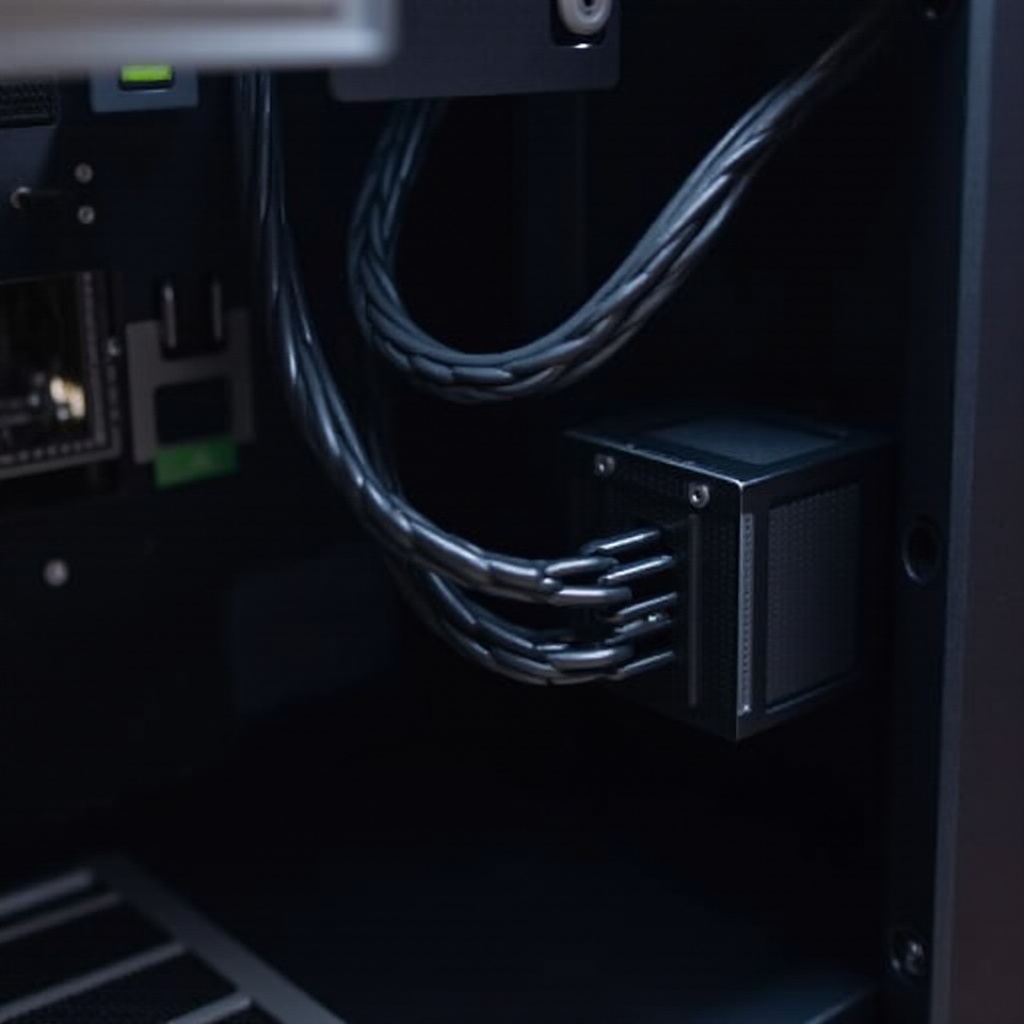
Cable management is essential for several reasons. Efficient airflow, reduced dust accumulation, improved access to components, and an aesthetically pleasing setup are all benefits. Organized cables prevent overheating by ensuring that airflow isn’t obstructed, which in turn extends the lifespan of your hardware. Furthermore, should you need to upgrade or debug your system, having a tidy setup eases the process, preventing frustration and saving time.
Now that you understand the importance, let’s prepare your workspace and gather the necessary tools.
Preparing Your Tools and Workspace
Effective cable management begins with preparation. Setting up your workspace and having the right tools on hand is crucial to a seamless process.
Gather Your Tools
- Velcro Straps – Reusable and adjustable for neat management.
- Cable Ties – Secure cables for a permanent setup.
- Cable Sleeves – Keep numerous cables bundled and protected.
- Scissors or a Cable Cutter – For cutting and trimming cables neatly.
- Label Maker – Helps to identify and organize cables easily.
Organize Your Workspace
- Clear a large, well-lit area to facilitate a comfortable working environment.
- Disconnect all components to avoid accidental damage.
- Arrange cables according to their respective use, which will facilitate the management process.
With everything in place, it’s time to identify and manage your cables based on their types.
Know Your Cables
Understanding the different types of cables in your system helps you manage them better. Each type has specific characteristics and functions.
Power Cables
Power cables supply electricity to your components. They connect from the PSU to the motherboard, CPU, and graphics card. These cables should follow direct paths to minimize clutter.
Data Cables
Data cables, like SATA cables, transfer data between your motherboard and storage devices. Proper routing and protection are vital to prevent data interruption.
Peripheral Cables
These cables connect external devices, such as monitors and keyboards, to your computer. Organizing them keeps your desktop clean and accessible.
Now let’s implement basic techniques to start managing these cables effectively.
Basic Cable Management Techniques
Begin with practical solutions to organize and conceal your cables in a structured manner.
Use of Velcro Straps and Cable Ties
Velcro straps are perfect for flexible adjustments, while cable ties offer a more fixed solution. Be mindful when tightening to prevent cable damage.
Installing Cable Channels and Sleeves
Cable channels aid in routing wires along the case edges, creating a seamless and clean look. Sleeves help to bundle and protect cables, minimizing risk and enhancing appearance.
Once these fundamentals are mastered, we can move towards more advanced methods targeted at optimizing airflow and improving aesthetics.
Advanced Cable Management Strategies
For those looking to perfect their setup, advanced strategies offer enhancement in performance and aesthetics.
Optimizing Airflow and Aesthetics
Obstruction-free airflow is crucial for maintaining component temperatures. Keep cables clear of fans and vents to maintain optimal cooling conditions. A neat cable layout also creates a professional and satisfying workspace environment.
Using Cable Management Accessories
Consider using additional accessories such as grommets or cable shields provided with cases. Aftermarket options may also offer innovative ways to organize and conceal cables.
Armed with these strategies, let’s proceed with a comprehensive step-by-step procedure to refine your PC cable management.
Step-by-Step Cable Management Process
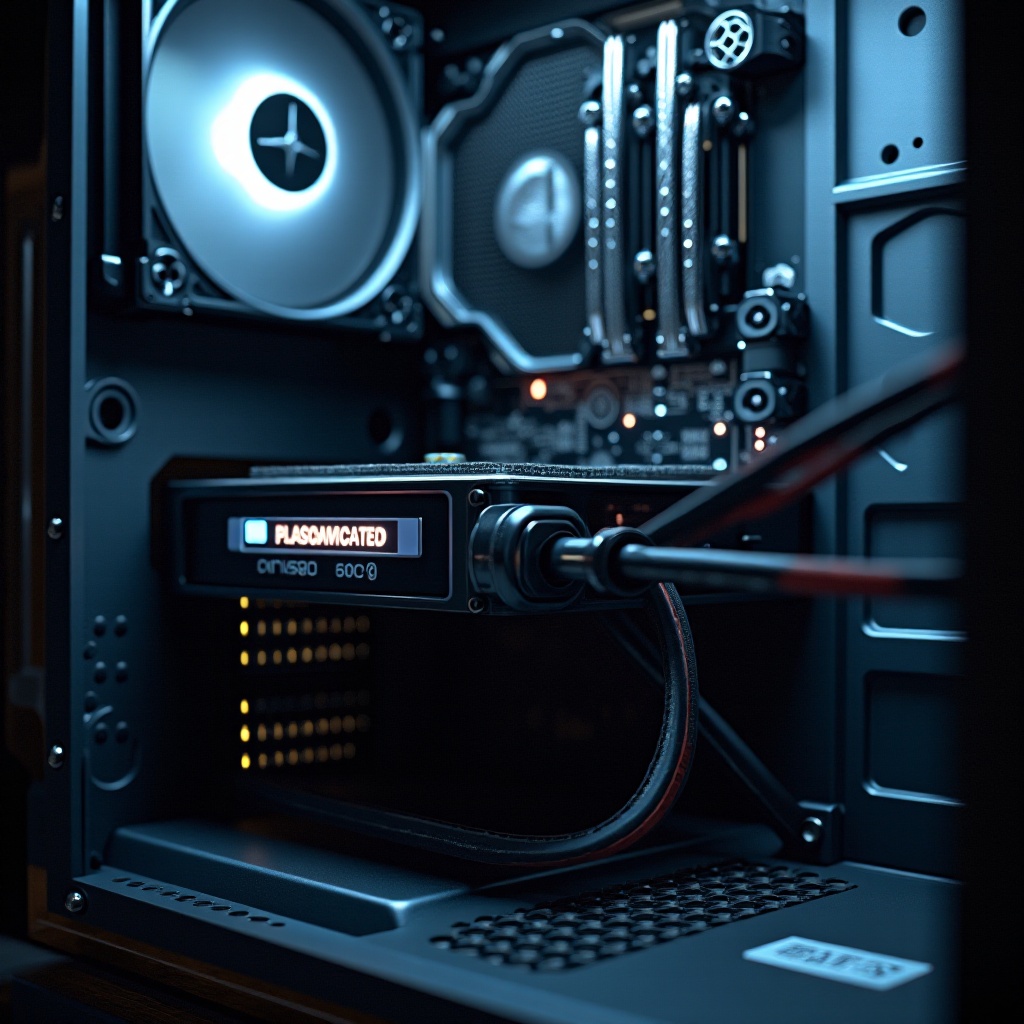
Following a systematic approach is key to achieving a well-organized system.
- Managing PSU Cables:
- Directly route power from the PSU to essential components.
-
Minimize the length of cable paths.
-
Routing Motherboard and Component Cables:
-
Organize motherboard, SATA, and power supply extensions neatly with ties or Velcro.
-
Arranging Peripheral Cables:
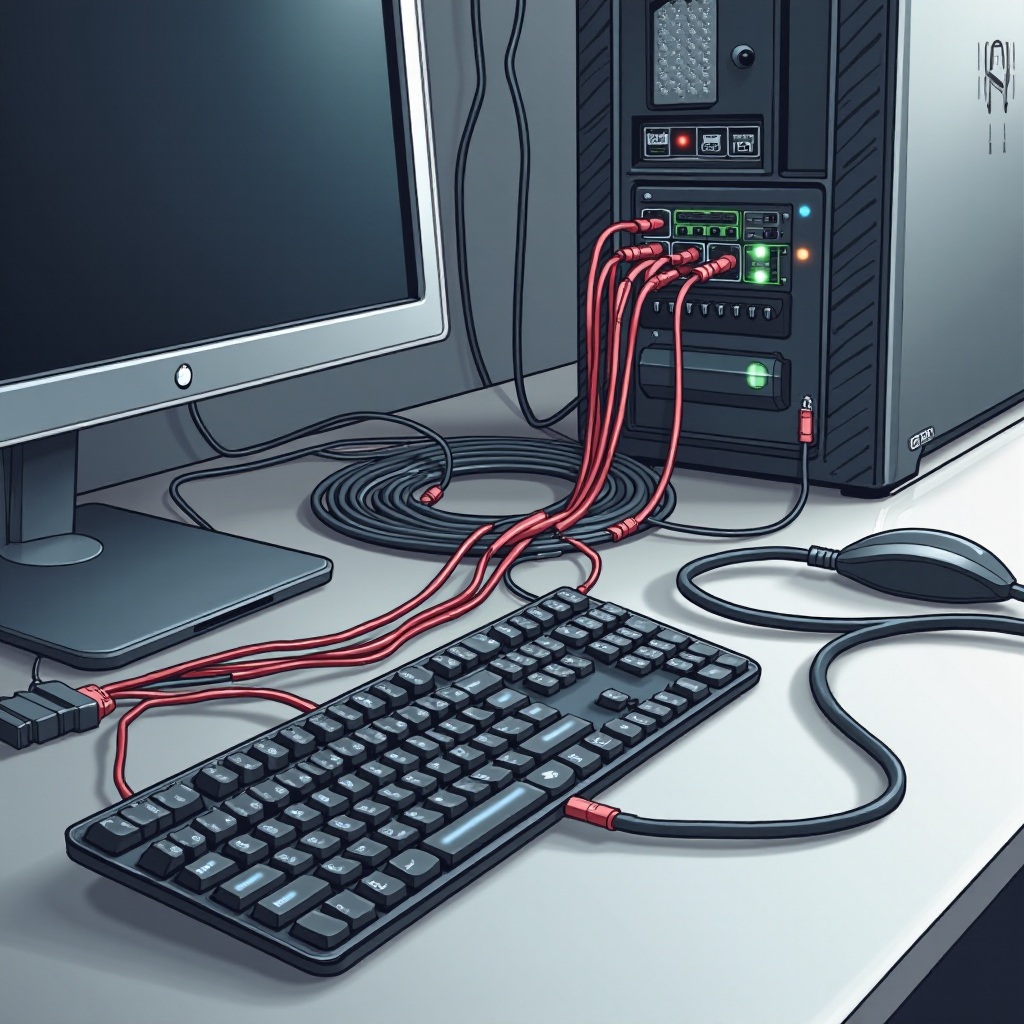
- Position peripheral cables to reduce clutter on the desktop and maintain accessibility.
With a tidy setup, maintaining your cables ensures they remain optimally managed.
Maintenance and Troubleshooting
Regular checks and adjustments keep your PC running efficiently and looking great.
Common Issues
- Cable Slack – Tighten and secure loose cables periodically.
- Unintentional Pulls – Reinforce commonly used areas with extra ties.
Routine Maintenance Tips
- Schedule a semi-annual review to check ties and adjust cables as necessary.
- Always have spare Velcro and ties to accommodate new components or changes.
Ensuring regular upkeep guarantees a clean, efficient workspace and extends the life of your hardware components.
Conclusion
Proper cable management not only improves PC performance but transforms your setup into a professional workspace. Implement the tips and systems from this guide to enjoy a streamlined, aesthetically pleasing environment that eases maintenance and functional upgrades.
Frequently Asked Questions
How can I manage cables in a small PC case?
Prioritize necessary cables, use slim cable sleeves, and take advantage of any built-in features your case may offer for better space management.
What materials are best for long-term cable management?
Velcro straps and high-quality cable sleeves are recommended for their reusability and durability without damaging cables.
How often should I re-evaluate my cable management setup?
It’s wise to review your setup every 3-6 months, especially after making substantial changes to your PC components.