
Introduction
Monitoring your PC’s power consumption holds great significance for achieving optimized efficiency and minimizing unnecessary energy use. Knowing how much energy your computer components consume enables you to make prudent choices about upgrades and configurations that enhance performance and lower electricity expenses. In this comprehensive guide, you will discover how to measure your PC’s power consumption effectively and uncover strategies for enhancing efficiency.
Understanding PC Power Consumption
Understanding what contributes to your PC’s power consumption is vital for targeting areas that need improvement. Each component draws a specific amount of power, combining to form the total consumption.
- CPU and GPU: The central processing unit (CPU) and graphics processing unit (GPU) are, without question, the most power-intensive parts of a PC, especially during performance-heavy tasks like gaming or rendering.
- RAM and Storage: While not as energy-consuming as the CPU and GPU, they are integral to the overall power usage, particularly during memory-heavy operations.
- Peripherals: Items like monitors, printers, and external drives increase overall energy draw, contributing to the PC’s total power consumption.
- Software Impact: The software environment significantly affects power draw, as intensive applications demand greater processing power, leading to higher consumption levels.
Comprehending these factors is essential for measuring and reducing your PC’s energy footprint effectively.
Tools for Measuring Power Consumption
To measure PC power consumption accurately, both software and hardware tools can be deployed, each offering distinct benefits. Employing such tools will provide precise insights, setting the stage for effective power management.
- Software Tools for Estimating Power Usage:
Software solutions such as HWMonitor, Open Hardware Monitor, and similar options allow for power estimation by analyzing data from component outputs. - HWMonitor: This tool provides detailed insights into each component’s power draw and displays overall system totals, enabling users to discern high-energy-consuming elements effectively.
-
Open Hardware Monitor: With configurable charts and historical trend analysis, this tool offers visual insights into power consumption patterns.
-
Hardware Solutions for Accurate Measurements:
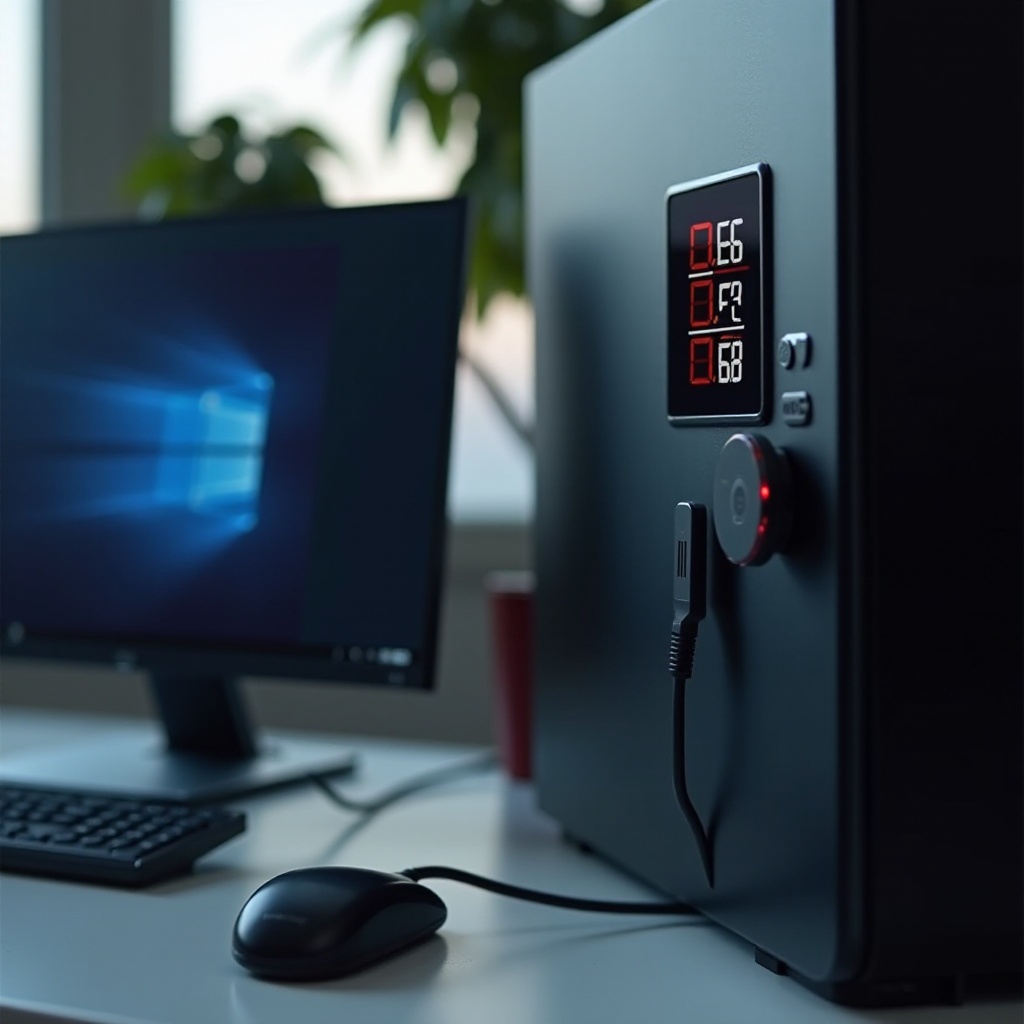
For pinpoint accuracy, consider integrating a power meter into your power management strategy. Devices like the Kill-a-Watt deliver real-time power readings with precision you can rely on. - Plug the power meter into the outlet, then connect your PC to obtain real-time measurements.
- Continuously monitor the display to receive live power usage feedback in watts.
Utilizing a combination of software and hardware solutions equips you with a comprehensive understanding of your PC’s power consumption, facilitating proactive and informed energy management.
Step-by-Step Guide to Calculate Power Consumption Manually
Manual calculation of your PC’s power consumption offers personalized insights by involving a deeper interaction with your equipment’s specifics. This approach uniquely combines engagement with accuracy.
- Calculating Component Power Needs:
Identify each component’s TDP (Thermal Design Power), listed in product specifications, indicating the maximum power consumption during full use. - Estimating Total System Power:
Sum all TDPs to acquire a rough assessment of the probable maximum power draw of your setup.
Apply a margin of roughly 20% to account for additional consumption by peripherals and high-power software operations.
This manual approach affords a detailed and personal comprehension of power use, preparing the road for framing effective reduction techniques.
How to Reduce Your PC’s Power Consumption
With perception drawn from measurements and calculations, the immediate task would be translating this insight into actionable energy reduction without disrupting performance.
-
Upgrading to Energy-Efficient Hardware:
Focus on investing in energy-efficient components, like SSDs over HDDs, and the latest CPUs with advanced power management techniques.
Execute the use of high-efficiency power supplies with heightened wattage ratings to diminish energy losses. -
Software Optimizations for Power Saving:
Alter power settings within your operating system, reducing energy use during periods of inactivity, thus optimizing consumption.
Terminate redundant applications and simplify startup to ensure reduced CPU and RAM load.
Reducing power use has multi-faceted benefits, including cutting costs, adding longevity to components, and sustainably achieving optimal performance.
Conclusion
Mastering the measurement and management of your PC’s power consumption is integral to crafting an efficient, cost-effective computing atmosphere. Through diligent understanding of power-hungry components and employing monitoring tools effectively, enhanced performance and lesser environmental impact can be realized. Regular checks and strategic tweaks ensure ongoing efficiency, providing a path to a smart and sustainable tech lifestyle.
Frequently Asked Questions
What software can accurately measure PC power consumption?
Software like HWMonitor and Open Hardware Monitor provide both current and historical data for accurate power consumption measurement.
How does reducing power consumption benefit my PC?
Reducing power consumption extends component life, reduces electricity costs, and enhances performance efficiency.
Can software really influence the power usage of my PC?
Yes, managing applications and optimizing settings can significantly lower power draw, improving overall efficiency.